


Get In Touch
Our customer support team is available for help.
ERP Strategy
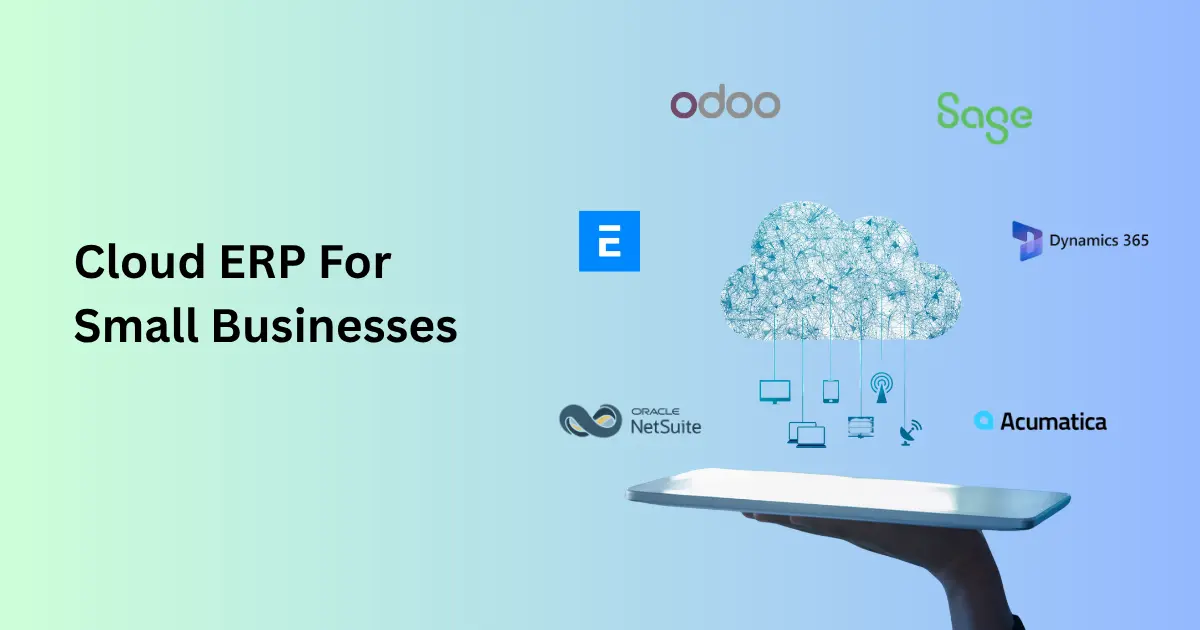
| What Changes | With Cloud ERP |
|---|---|
| System management | Handled by the provider |
| Data access | Real-time, centralized |
| Scalability | Built to grow with the business |
| Upfront investment | Significantly lower than traditional ERP |
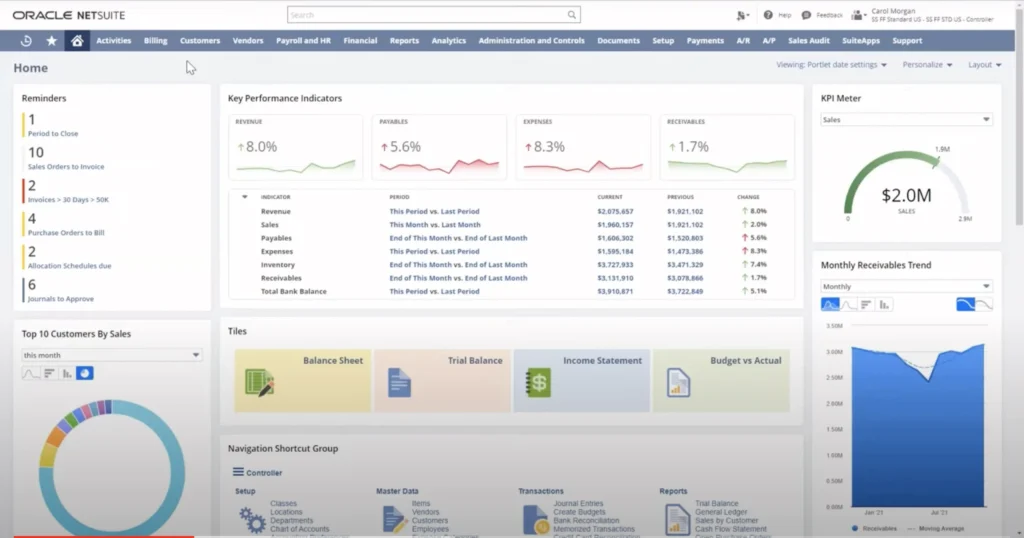 Best for: Small to mid-sized businesses planning to scale operations or expand globallyNetSuite is often considered the benchmark for cloud ERP because it brings everything—financials, inventory, CRM, and reporting—into a single system.Where it becomes especially valuable is when businesses move beyond basic accounting and start dealing with multi-entity structures, international operations, or high transaction volumes.What it handles well:
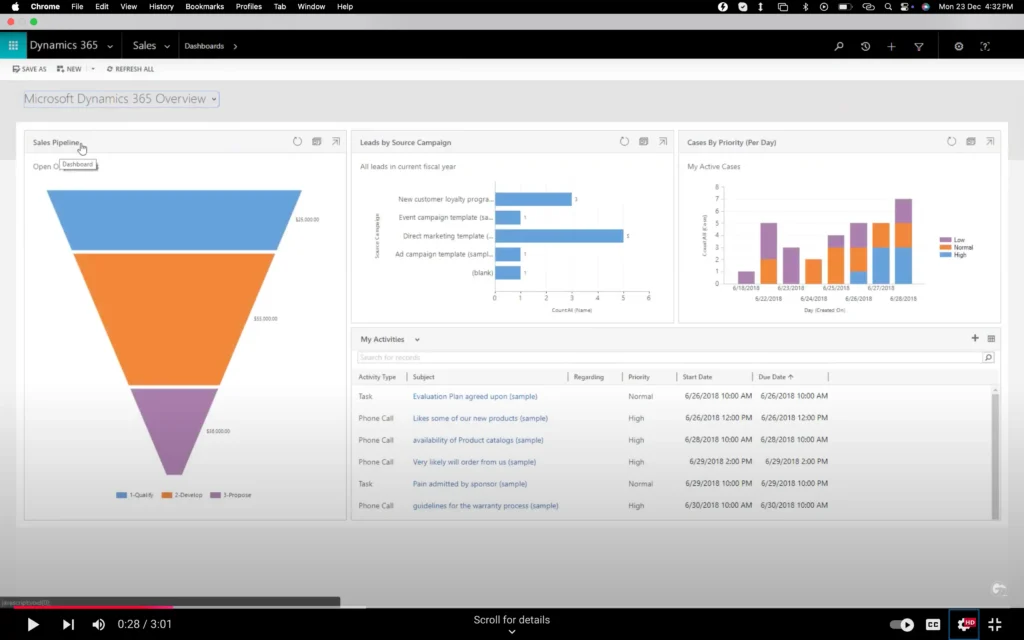 Best for: Businesses already using Microsoft tools and looking for a familiar systemBusiness Central is often the next step for companies using Excel-heavy processes or Microsoft-based workflows. It offers solid ERP functionality while keeping the interface and integrations familiar.What it handles well:
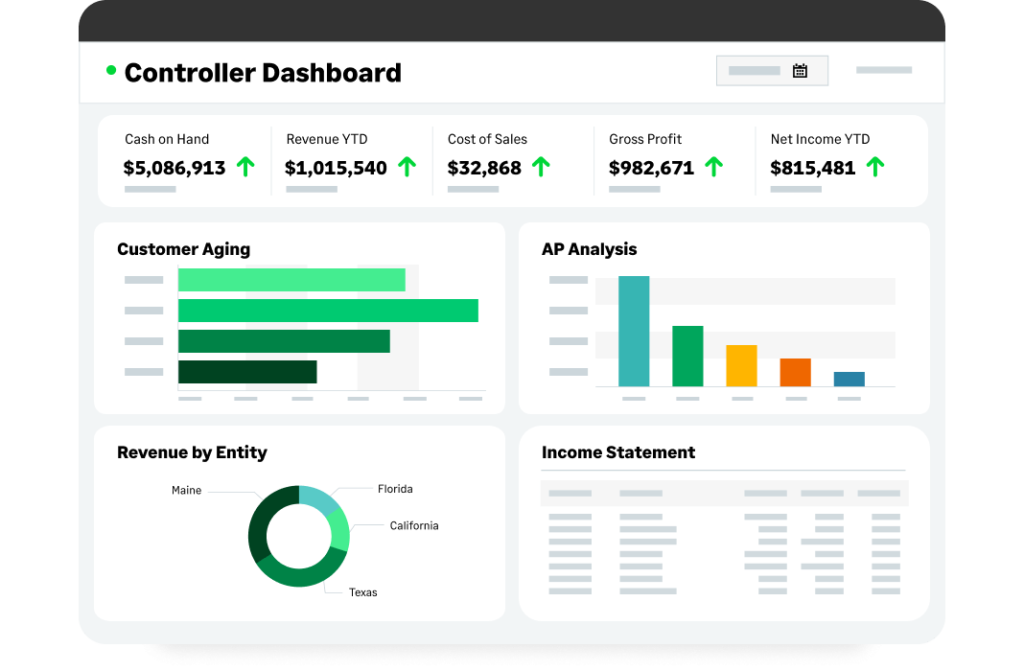 Best for: Service-based businesses that need strong financial control and reportingSage Intacct is designed with a finance-first approach. It’s particularly strong for organizations that need deep visibility into financial performance across entities, departments, or projects.What it handles well:
 Best for: Small businesses looking for flexibility with a lower initial investmentOdoo stands out because of its modular approach—you can start with a few applications and add more as needed. This makes it attractive for businesses that want to avoid large upfront ERP investments.What it handles well:
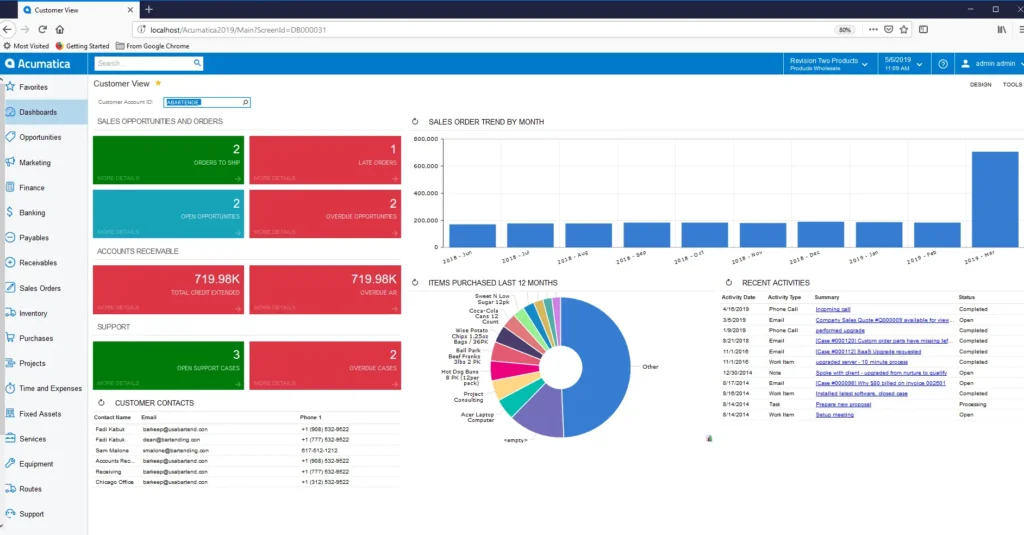 Best for: Businesses with operational complexity, especially in distribution or manufacturingAcumatica is designed for companies where operations—inventory, supply chain, projects—are just as important as financials.Its pricing model (not based on users) also makes it attractive for teams with many system users.What it handles well:
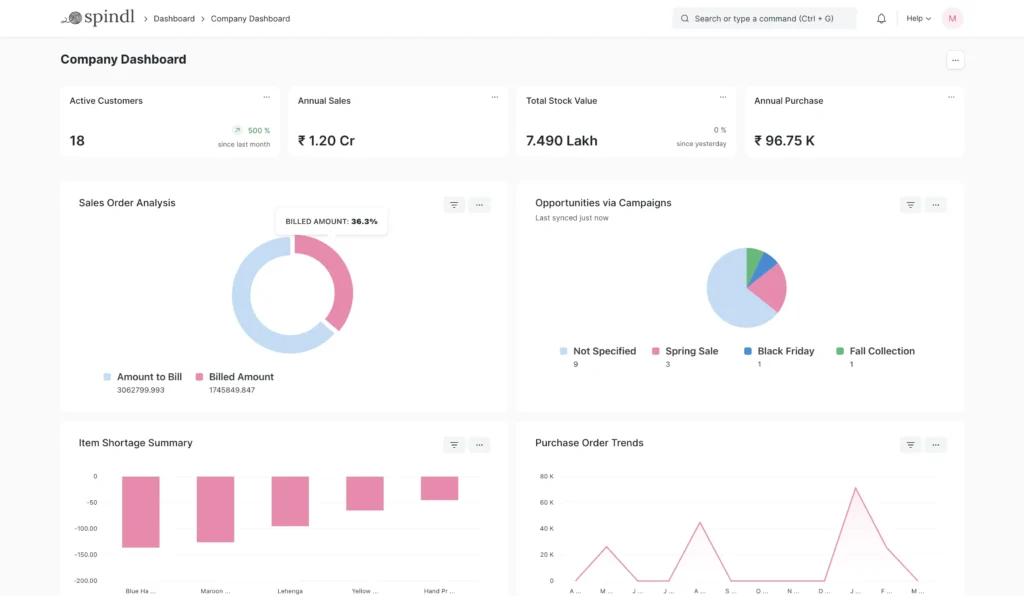 Best for: Small businesses looking for a free or low-cost ERP to get startedERPNext is an open-source cloud ERP that covers a wide range of business functions, including accounting, inventory, CRM, and HR. It’s often considered by businesses that want to avoid licensing costs and are comfortable with a more hands-on setup.What it handles well:
| Business Type | What to Prioritize |
|---|---|
| eCommerce / Retail | Inventory, order management, integrations |
| SaaS / Services | Revenue tracking, financial reporting |
| Manufacturing | Production, supply chain, inventory |
| Cost Area | What It Typically Includes |
|---|---|
| Software | Subscription or licensing |
| Implementation | Setup, configuration, data migration |
| Customization | Adjusting workflows |
| Training & Support | Adoption and ongoing improvements |

Our customer support team is available for help.
Need help with NetSuite?
Chat with our team.